
 EN
EN  简体中文
简体中文 English
 Français
 Español
 عربي
عربي Русский
Machinery Weight 55-72t
Max Feeding size(mm) ≤700mm
Hopper Volume(m³) /



 REQUEST A QUOTE
Construction sites rarely produce only finished buildings.
Alongside concrete structures, walls, roads, and other completed work, there is often a steady stream of unwanted material. Broken concrete, masonry pieces, old paving materials, stone fragments, and other mineral-based waste can take up considerable space if they are simply moved away from the site.
This has created more interest in ways to process construction waste closer to its source.
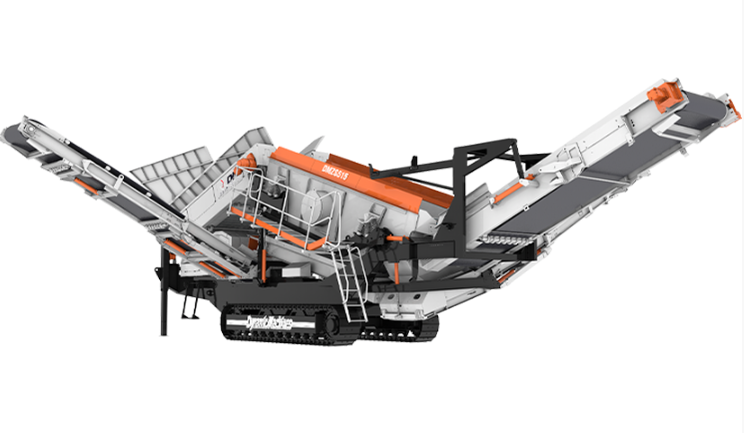
A Stone Crushing Factory may have a role to play in this process. Crushing equipment is commonly associated with natural stone, but the basic idea can also be applied to selected construction waste. Once suitable material is separated and processed, some of it may become a reusable aggregate for another application.
The process is not as simple as putting all construction waste into a crushing line. Construction waste can contain many different materials. Some are suitable for crushing, while others need to be removed before processing.
Understanding this distinction helps explain where a Stone Crushing Factory fits into construction waste processing.
Construction waste is a broad category.
A pile of waste from a building project may contain concrete, bricks, stones, tiles, soil, wood, metal, plastic, glass, insulation materials, and other unwanted items. These materials do not behave in the same way during processing.
A Stone Crushing Factory is generally more suitable for mineral-based materials.
Concrete is one common example. When old concrete structures are removed, large pieces can be collected and prepared for further processing. Broken bricks and masonry can also be considered when they are relatively clean and free from unsuitable materials.
Natural stone left over from construction work can be another potential material.
The key point is separation.
A crushing line is designed around the type of material it is expected to handle. If a mixed pile contains too much wood, plastic, metal, or other unwanted material, the crushing process becomes more difficult to manage.
For this reason, construction waste processing often begins before the material reaches the crusher.
| Construction Waste | Potential for Crushing | Important Consideration |
|---|---|---|
| Concrete pieces | Generally suitable | Remove unwanted materials |
| Bricks and masonry | Often suitable | Material should be separated |
| Natural stone | Suitable | Check material condition |
| Tiles | May be suitable | Mixed waste should be removed |
| Wood | Not intended for stone crushing | Requires separate handling |
| Metal | Not intended for crushing as stone | Should be separated |
| Plastic | Not intended for stone crushing | Requires separate processing |
This makes construction waste sorting an important part of the overall process.
The basic process can be easier to understand when viewed as a series of connected steps.
1. Material collection
Construction waste is gathered from the work area or brought to a processing location.
2. Sorting
Materials that should not enter the crushing line are removed. This may include metal, wood, plastic, and other unwanted items.
3. Material preparation
Large pieces may need to be arranged or prepared so that the crushing equipment can handle them properly.
4. Crushing
Suitable material enters the crushing stage, where large pieces are reduced into smaller pieces.
5. Screening
The crushed material can then be separated according to its intended use.
6. Further processing
Depending on the material and desired result, some material may pass through another stage of crushing or screening.
7. Storage or reuse
Processed material can be stored for later use or moved directly to another part of a construction operation.
The important point is that crushing is only one part of the process.
A Stone Crushing Factory that handles construction waste needs to consider the material before and after the crusher as well.
This is different from simply crushing clean natural stone.
Construction waste may arrive in inconsistent forms. Some loads can contain more concrete. Others may contain more brick or mixed masonry. The processing line therefore needs to be considered around the actual material.
Imagine a pile of old concrete.
At first glance, it may look like one material. A closer inspection may reveal pieces of reinforcing metal, wood, plastic, insulation, or other materials attached to it.
Putting everything into the crushing process at once can create unnecessary problems.
Sorting removes materials that are not intended to be part of the crushed product. It also makes the material more consistent before it reaches the crushing stage.
This can make the entire production process easier to manage.
Sorting can take place manually, mechanically, or through a combination of methods depending on the nature of the waste. The exact approach varies from one project to another.
Clean material is generally easier to process than heavily mixed waste.
This is why a Stone Crushing Factory may ask questions about the source of construction waste before recommending a processing setup.
Useful information can include:
Processing construction waste only makes sense if the resulting material has a useful purpose.
Crushed construction material can potentially be reused in different construction-related applications. The actual use depends on the material, its condition, local requirements, and the expectations of the project.
For example, processed concrete and masonry may be considered for applications where recycled aggregate is appropriate.
Some projects may use processed material for ground preparation or other supporting work. Other applications may require different material characteristics.
This means that the intended end use should be considered before the crushing line is selected.
A buyer should not start with the question, "Which crusher should we buy?"
A more useful question may be, "What do we want the processed material to become?"
The answer can influence the rest of the process.
If the material is intended for a simple reuse application, the processing requirements may differ from a project that needs a more carefully controlled recycled aggregate.
This connection between input material and final use is important for both Stone Crushing Factory operators and construction companies.
A construction waste processing line is usually made up of several types of equipment rather than one machine.
The crusher performs the main size-reduction task, but other equipment can support the material flow.
A feeder can help move material into the processing line. Screens can separate processed material into different groups. Conveyors can move material between stages and toward storage areas.
Sorting equipment may also be included when unwanted materials need to be separated from the usable portion.
The actual combination depends on the type of construction waste.
A line designed mainly for clean concrete may look different from one handling mixed demolition material.
The same applies to mobile and stationary operations.
A stationary Stone Crushing Factory may be suitable when the material is brought to a dedicated processing location. A mobile setup may be considered when processing needs to take place closer to different construction sites.
The decision depends on how the waste is collected and where the processed material will be used.
| Processing Stage | Main Purpose |
|---|---|
| Feeding | Moves material into the processing line |
| Sorting | Removes unwanted materials |
| Crushing | Reduces larger pieces |
| Screening | Separates processed material |
| Conveying | Moves material between stages |
| Storage | Holds processed material for later use |
Thinking about the complete process can prevent buyers from focusing too heavily on a single piece of equipment.
Natural stone and construction waste can both contain hard mineral materials, but they are not the same type of input.
Natural stone usually comes from a known source. Its general characteristics can be understood before processing begins.
Construction waste is more unpredictable.
One load may contain large concrete pieces. Another may contain bricks and smaller masonry fragments. Some material may be clean, while another load may contain unwanted items.
This variation can influence how a Stone Crushing Factory approaches the processing line.
Material consistency is especially important.
When the input changes frequently, the operator may need to pay closer attention to feeding, sorting, crushing, and screening. The process may need to accommodate different material conditions.
This does not mean construction waste cannot be processed.
It means that the crushing line should be developed around the material rather than assuming that construction waste behaves exactly like natural stone.
For businesses planning a recycling operation, this distinction can influence equipment selection, plant layout, material handling, and daily operation.
There is no single processing line that fits every construction waste project.
A small operation may have a relatively simple material flow. A larger recycling operation may need several stages to separate and process different materials.
Customization can involve more than changing the crusher.
The overall layout can be designed around where waste enters the site, how it is sorted, how it moves between processing stages, and where the finished material is stored.
The type of crusher can also be considered according to the material.
Screening requirements may change depending on the intended use of the processed material. Additional separation may be needed when the waste contains unwanted materials.
A Stone Crushing Factory can therefore work with buyers to define the processing route around the project.
A useful development process can follow this structure:
Waste Source → Material Sorting → Crushing Needs → Screening Needs → Material Handling → End Use
This approach keeps the project focused on the actual workflow.
It also gives buyers a clearer way to communicate with manufacturers.
Instead of requesting a generic "construction waste crusher," buyers can explain the source of the material, its general composition, and what they want to do with the processed output.
That information can lead to a more practical discussion.
Choosing equipment for construction waste requires more than comparing product names.
The material itself should remain at the center of the conversation.
Buyers can ask a Stone Crushing Factory about several areas before moving forward.
Material suitability
Can the proposed equipment handle the type of concrete, brick, masonry, or stone involved?
Sorting requirements
Which unwanted materials need to be removed before crushing?
Process layout
How should feeding, crushing, screening, and conveying be arranged for the available site?
End-use requirements
What kind of processed material is needed for the intended application?
Customization
Can the processing line be adjusted when the waste composition changes?
Maintenance and operation
What type of routine care does the equipment require? How easy is it for operators to access common service areas?
Future flexibility
Could the processing line support different construction waste materials later?
These questions can help buyers move from equipment shopping toward process planning.
For a Stone Crushing Factory, understanding the customer's material is equally important.
A crushing solution should be discussed in the context of the complete workflow. The goal is not simply to reduce large pieces into smaller ones. The wider objective is to create a practical path from unwanted construction material to a usable processed product.
As construction projects continue to generate recoverable mineral materials, the relationship between waste handling and stone crushing is becoming easier to see. What once looked like a pile of discarded concrete or masonry can become part of another material cycle when sorting, crushing, screening, and reuse are considered together.
Machinery Weight 53-62t
Max Feeding size(mm) ≤600mm
Hopper Volume(m³) 80-360t/h
Machinery Weight 55-57t
Max Feeding size(mm) ≤215mm
Hopper Volume(m³) /
Machinery Weight 33-35t
Max Feeding size(mm) 150-400t/h
Hopper Volume(m³) 2.5
Machinery Weight 33t
Max Feeding size(mm) 150-400t/h
Hopper Volume(m³) 7m³
Machinery Weight 54-63t
Max Feeding size(mm) ≤600mm
Hopper Volume(m³) /
Machinery Weight 9.5-75t
Max Feeding size(mm) ≤1000mm
Hopper Volume(m³) 61-1204t/h
Just let we know what you want, and we will get in touch with you as soon as possible!

A high-tech enterprise integrating R&D, production, sales and service of crawler and stationary crushing and screening.
Scan the Mobile QR code
 Tel: +86 21-6891 1957
 Fax: +86 21-3756 6069
 E-mail: sales@dmcrushers.com
 Add: No. 1188,Fengliang Road, Fengcheng Town, Fengxian District, Shanghai, China