
 EN
EN  简体中文
简体中文 English
 Français
 Español
 عربي
عربي Русский
Machinery Weight 55-72t
Max Feeding size(mm) ≤700mm
Hopper Volume(m³) /



 REQUEST A QUOTE
The way businesses choose crushing equipment is changing. A machine is no longer selected only because it can complete a certain task. More companies are looking at how equipment fits into their working environment, how it supports daily operations, and whether it can adapt when project needs change.
This shift has brought more attention to the Small Cone Crusher market. Compared with larger crushing solutions, smaller equipment options are being discussed more often in situations where flexibility and practical use matter.
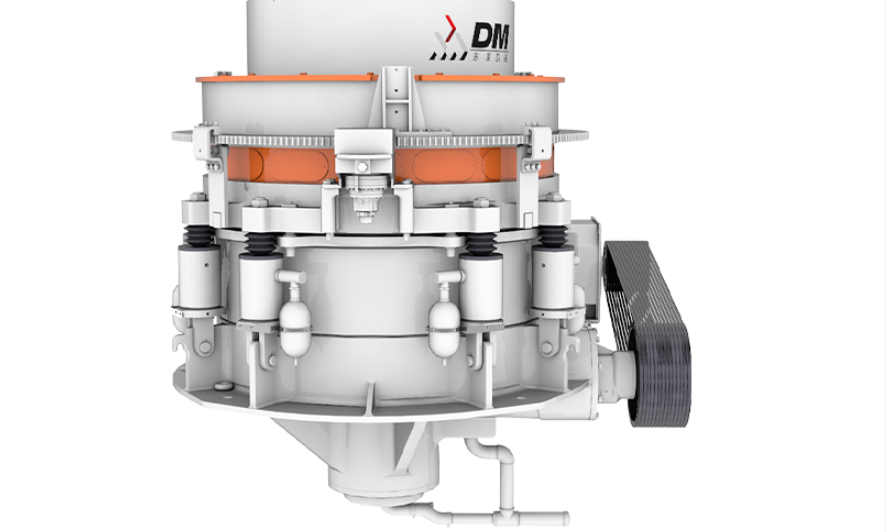
A crushing machine works as part of a larger process. It needs to match the space, workflow, and goals of the operation. This is why equipment selection has become a deeper decision rather than a simple purchase.
For many users, the question is not only "Which machine can crush materials?" It is also "Which machine makes sense for the way we work?"
This change in thinking is influencing how manufacturers design and present Cone Crusher solutions. More attention is being given to real applications, user feedback, and the connection between equipment and everyday operations.
The demand for flexible equipment is growing across different industries. Not every project requires large-scale machinery. Some operations need equipment that can fit into smaller working areas or support changing production plans.
A Cone Crusher provides another option for these situations.
The interest in smaller crushing equipment does not come from size alone. It comes from the idea of matching equipment with actual needs.
A business working on a specific project may have different expectations from a company managing a long-term operation. Their equipment choices may depend on available space, workflow arrangements, and future plans.
This has changed the way people view crushing equipment.
A machine is now considered as part of an overall solution. Users want to understand how it connects with other parts of their work.
| Consideration | Why It Matters |
|---|---|
| Working environment | Equipment needs to fit different application situations |
| Daily operation | Users prefer practical and understandable processes |
| Project changes | Flexible solutions can support future adjustments |
| Equipment management | Simple handling can improve working experience |
Small Cone Crushers are becoming part of this discussion because they represent a more flexible approach to crushing applications.
The growing interest also shows that equipment development is becoming closer to customer needs. Manufacturers are paying more attention to how machines are used after leaving the factory.
Choosing a Cone Crusher begins with understanding the purpose of the equipment.
Many purchasing decisions become difficult when users focus only on general product descriptions. A machine may look suitable at first, but the actual working environment can create different requirements.
Every application has its own conditions.
The available working space, material characteristics, operation habits, and future plans all influence the final decision.
Before choosing equipment, businesses often need to think about several questions:
These questions help create a clearer picture.
A Cone Crusher should not be selected only because it matches a general market trend. It should match the specific situation of the user.
This is why communication between customers and manufacturers has become more important. When manufacturers understand the background of a project, they can provide suggestions that are closer to practical needs.
The selection process becomes less about comparing machines and more about finding a suitable match.
Industrial equipment design has changed over time. The focus is no longer only on mechanical function. More attention is being given to how people use and manage machines.
A Cone Crusher reflects this change.
The equipment needs to work within real environments where operators, maintenance teams, and businesses all have different concerns.
A design that considers user experience can make daily operations feel more natural.
Manufacturers are studying how people interact with equipment. They look at common situations during operation and consider where improvements may be needed.
Some important design ideas include:
Practical Use
Equipment needs to support normal working habits. Users often prefer solutions that are easier to understand and manage.
Flexible Application
Different projects may create different challenges. Equipment with adaptable features can provide more possibilities.
Better Communication Between Users and Designers
Feedback from actual applications helps manufacturers understand what changes may be valuable.
The development of Small Cone Crushers shows a wider trend in heavy equipment. Design is becoming connected with people, not only machines.
This change is influencing how manufacturers approach product development.
Modern businesses often face changing conditions. A project may develop in a different direction than originally planned. Working environments may also change.
Because of this, flexibility has become an important consideration.
A Cone Crusher can be suitable for operations that need equipment with a different level of adaptability.
Flexibility is not simply about moving a machine from one place to another. It also involves how well equipment fits into different production arrangements.
For example, some businesses may need equipment for specific tasks today but expect different requirements in the future.
A flexible approach allows users to think beyond immediate needs.
This has encouraged manufacturers to focus on equipment that can support various applications.
The idea is becoming more common in crushing equipment development. Instead of creating machines for only one situation, companies are exploring designs that can respond to different working conditions.
Cone Crusher development follows this direction by focusing more on practical application value.
Customer expectations are changing the relationship between buyers and manufacturers.
In the past, equipment purchases often focused on product information and basic functions. Today, many customers want a deeper understanding of how equipment can support their work.
This means manufacturers need to listen more carefully.
A customer may have questions about operation, application conditions, or long-term use. Understanding these concerns helps create better communication.
Cone Crusher manufacturers are paying more attention to this process.
They are learning that every customer has different reasons for choosing equipment.
A construction-related project may have different needs from a mining operation. A smaller business may also have different expectations compared with a larger organization.
These differences require a more flexible approach.
The role of manufacturers is changing from simply providing equipment to helping customers understand possible solutions.
This change benefits both sides. Customers receive information that is closer to their situation, while manufacturers gain a clearer understanding of market needs.
Experience remains an important part of equipment improvement.
Manufacturers learn through different projects, customer discussions, and market changes. These experiences provide information that cannot always be gained from theory alone.
A Cone Crusher develops through continuous observation and adjustment.
Manufacturing teams need to understand how equipment performs in different environments. They also need to recognize what users expect during daily operation.
Experience helps companies notice small details that may influence product development.
However, experience does not mean following the same approach forever.
The equipment industry continues to change. New expectations appear, and customers look for different solutions.
Manufacturers need to combine existing knowledge with new ideas.
This balance allows equipment development to remain practical while responding to new market conditions.
Cone Crusher solutions are influenced by this process. They represent the connection between manufacturing experience and changing application needs.
The future of crushing equipment will continue to be influenced by market changes and user expectations.
Businesses are looking for equipment that fits their actual situations. They want solutions that consider both current tasks and possible future adjustments.
Cone Crusher development will continue moving in this direction.
Manufacturers will need to understand more than production requirements. They will also need to understand how equipment becomes part of a wider working system.
Communication, design thinking, and application knowledge will continue to influence equipment development.
The relationship between users and manufacturers is becoming closer. This connection helps create equipment ideas that are more connected with real-world needs.
Small Cone Crushers are becoming an example of how the crushing equipment industry is changing. The focus is moving toward practical design, flexible applications, and a better understanding of how machines are used in everyday operations.
Machinery Weight 53-62t
Max Feeding size(mm) ≤600mm
Hopper Volume(m³) 80-360t/h
Machinery Weight 55-57t
Max Feeding size(mm) ≤215mm
Hopper Volume(m³) /
Machinery Weight 33-35t
Max Feeding size(mm) 150-400t/h
Hopper Volume(m³) 2.5
Machinery Weight 33t
Max Feeding size(mm) 150-400t/h
Hopper Volume(m³) 7m³
Machinery Weight 54-63t
Max Feeding size(mm) ≤600mm
Hopper Volume(m³) /
Machinery Weight 9.5-75t
Max Feeding size(mm) ≤1000mm
Hopper Volume(m³) 61-1204t/h
Just let we know what you want, and we will get in touch with you as soon as possible!

A high-tech enterprise integrating R&D, production, sales and service of crawler and stationary crushing and screening.
Scan the Mobile QR code
 Tel: +86 21-6891 1957
 Fax: +86 21-3756 6069
 E-mail: sales@dmcrushers.com
 Add: No. 1188,Fengliang Road, Fengcheng Town, Fengxian District, Shanghai, China