
 EN
EN  简体中文
简体中文 English
 Français
 Español
 عربي
عربي Русский
Machinery Weight 55-72t
Max Feeding size(mm) ≤700mm
Hopper Volume(m³) /



 REQUEST A QUOTE
A Jaw Crusher Factory produces crushing equipment widely used in mining, construction, and aggregate industries. One of the most critical aspects of operating a jaw crusher is controlling the feed and discharge sizes. Proper control ensures efficient crushing, consistent product quality, and suitable performance of the crusher. Understanding the mechanisms that influence these sizes helps operators make informed adjustments and maintain productivity.
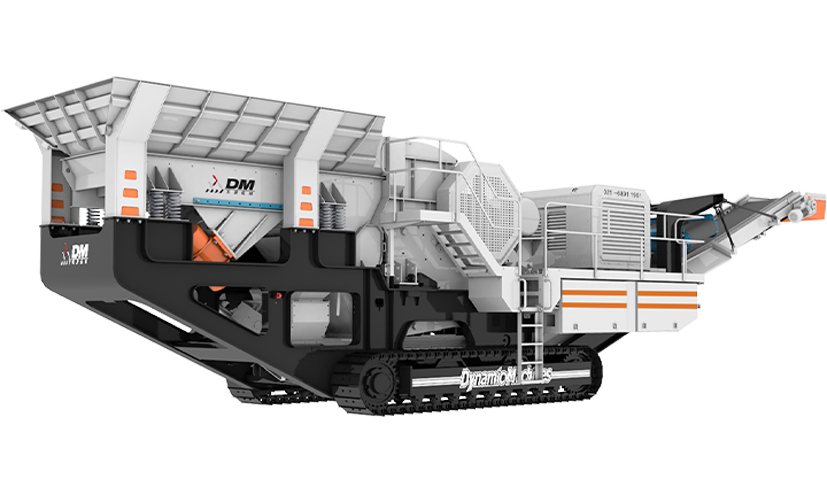
The feed size refers to the dimensions of the raw material entering the jaw crusher. Oversized materials can reduce crushing efficiency, cause blockages, and increase wear on the jaw plates. To control feed size, operators should pre-screen materials to remove excessively large rocks or debris. Mechanical feeders or grizzlies can also be used to regulate the feed, ensuring a consistent and manageable material flow. Maintaining a uniform feed size helps the crusher operate smoothly and extends the lifespan of key components.
The discharge size is determined by the gap between the fixed and movable jaws, also known as the closed-side setting (CSS). A smaller gap produces finer crushed material, while a larger gap results in coarser output. Most modern jaw crushers allow for easy adjustment of the CSS either manually or hydraulically. Operators should choose the setting based on the desired product specifications and material characteristics. Regular monitoring of the discharge size ensures the output meets quality standards and prevents overloading of downstream equipment.
Jaw plates play a significant role in controlling both feed and discharge sizes. The tooth pattern, angle, and wear condition of the plates affect how materials are gripped and crushed. Worn or improperly designed plates can cause uneven crushing, larger-than-desired output, and increased energy consumption. Selecting high-quality, appropriately contoured plates and replacing them when worn helps maintain consistent discharge sizes and improves overall crusher efficiency.
Operators can adopt several techniques to maintain stable feed and discharge sizes. Feeding the crusher uniformly, avoiding surges of oversized material, and minimizing empty cycles help maintain steady crushing conditions. Additionally, monitoring the material’s moisture content and hardness is important, as variations can affect the crushing process and discharge size. Adjusting the feed rate and crusher speed according to these factors ensures a reliable and consistent product.
Regular inspection and maintenance of the jaw crusher are essential for controlling feed and discharge sizes. Checking the wear of jaw plates, tension of adjustment mechanisms, and proper functioning of feeders prevents deviations in output size. Implementing routine monitoring with sensors or manual checks helps identify issues before they affect product quality or crusher performance. Well-maintained equipment operates more efficiently and delivers predictable, consistent output.
Controlling feed and discharge sizes in a Jaw Crusher Factory is critical for operational efficiency and product quality. Proper feed preparation, adjustment of the closed-side setting, careful selection and maintenance of jaw plates, and consistent operational techniques all contribute to achieving desired output specifications. By understanding and applying these strategies, operators can optimize crushing performance, extend equipment life, and ensure consistent results for a variety of materials and applications.
Machinery Weight 53-62t
Max Feeding size(mm) ≤600mm
Hopper Volume(m³) 80-360t/h
Machinery Weight 55-57t
Max Feeding size(mm) ≤215mm
Hopper Volume(m³) /
Machinery Weight 33-35t
Max Feeding size(mm) 150-400t/h
Hopper Volume(m³) 2.5
Machinery Weight 33t
Max Feeding size(mm) 150-400t/h
Hopper Volume(m³) 7m³
Machinery Weight 54-63t
Max Feeding size(mm) ≤600mm
Hopper Volume(m³) /
Machinery Weight 9.5-75t
Max Feeding size(mm) ≤1000mm
Hopper Volume(m³) 61-1204t/h
Just let we know what you want, and we will get in touch with you as soon as possible!

A high-tech enterprise integrating R&D, production, sales and service of crawler and stationary crushing and screening.
Scan the Mobile QR code
 Tel: +86 21-6891 1957
 Fax: +86 21-3756 6069
 E-mail: sales@dmcrushers.com
 Add: No. 1188,Fengliang Road, Fengcheng Town, Fengxian District, Shanghai, China