
 EN
EN  简体中文
简体中文 English
 Français
 Español
 عربي
عربي Русский
Machinery Weight 55-72t
Max Feeding size(mm) ≤700mm
Hopper Volume(m³) /



 REQUEST A QUOTE
1. Crushing plants are essential for processing stone, ore, and construction waste into usable aggregates.
2. Wet materials and high clay content can create operational challenges, affecting efficiency and output quality.
3. The Crushing Plant Factory designs equipment to address these challenges, but operators must understand limitations and practices.
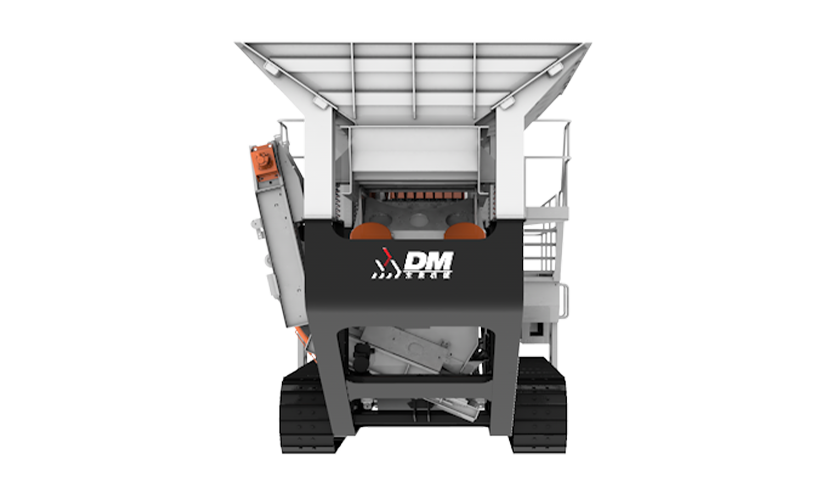
High Moisture Content – Wet materials tend to stick to crusher surfaces, reducing throughput.
Plasticity and Adhesion – Clay and silt particles increase cohesion, causing clogging and equipment wear.
Variable Composition – Mixed materials often contain stones, soil, and organic matter, which can complicate crushing.
Blockages and Jamming – Sticky material may accumulate in the feed hopper or crushing chamber, causing downtime.
Reduced Efficiency – Adhesion and coating reduce crushing efficiency and slow material flow.
Increased Wear – Abrasive particles embedded in clay accelerate wear on jaw plates, rollers, and impact hammers.
Product Quality Issues – Wet material may cause inconsistent particle size and poor shape of aggregates.
Jaw Crushers – Suitable for some wet materials, but can clog if the feed is too sticky.
Impact Crushers – Effective for moderately wet material, but may require frequent cleaning.
Cone Crushers – Better for high-strength rock but less tolerant of high clay content.
Screening and Washing Units – Pre-washing or water spray systems help reduce adhesion and improve separation.
Pre-Sorting – Remove excess soil, organic matter, and oversized rocks before feeding into the crusher.
Controlled Feed Rate – Reducing feed rate prevents overloading and blockages in wet conditions.
Adjust Crusher Settings – Wider discharge settings or lower compression can reduce material compaction and clogging.
Regular Cleaning – Ensure hoppers, chutes, and crushing chambers are cleared frequently to maintain efficiency.
Increased Throughput – Pre-treatment and correct feed control allow continuous operation even with sticky materials.
Extended Equipment Life – Reduces wear and tear on key components by preventing excessive adhesion.
Improved Product Quality – Ensures uniform particle size and aggregate shape despite moisture content.
Energy Consumption – More power is required to crush and transport sticky materials.
Maintenance Frequency – Components like jaw plates and rotor hammers need more frequent inspection and replacement.
Site Constraints – Wet materials may require additional handling space and water management systems.
Self-Cleaning Crushers – Some crushers are equipped with vibrating or flushing systems to prevent clogging.
Hydraulic Adjustment – Enables rapid changes to crusher settings to adapt to variable material conditions.
Mobile Crushing Plants – Offer flexibility to relocate processing close to wet material sources, reducing transportation and handling challenges.
Mining Sites – Processing ore with natural moisture content or clay inclusions.
Construction and Demolition – Recycling concrete and soil mixtures that are partially wet.
Riverbed or Coastal Aggregates – Handling sand and gravel with high moisture content without reducing productivity.
1. Crushing wet or high-clay materials is challenging but manageable with proper equipment and operational techniques.
2. The Crushing Plant Factory designs crushers and complete plants capable of handling a range of moisture levels and sticky content.
3. Operators should employ pre-treatment, controlled feed, and maintenance practices to optimize performance.
5. With the right strategy, crushing plants can efficiently process wet and sticky materials, ensuring consistent product quality, reducing downtime, and extending equipment life.
Machinery Weight 53-62t
Max Feeding size(mm) ≤600mm
Hopper Volume(m³) 80-360t/h
Machinery Weight 55-57t
Max Feeding size(mm) ≤215mm
Hopper Volume(m³) /
Machinery Weight 33-35t
Max Feeding size(mm) 150-400t/h
Hopper Volume(m³) 2.5
Machinery Weight 33t
Max Feeding size(mm) 150-400t/h
Hopper Volume(m³) 7m³
Machinery Weight 54-63t
Max Feeding size(mm) ≤600mm
Hopper Volume(m³) /
Machinery Weight 9.5-75t
Max Feeding size(mm) ≤1000mm
Hopper Volume(m³) 61-1204t/h
Just let we know what you want, and we will get in touch with you as soon as possible!

A high-tech enterprise integrating R&D, production, sales and service of crawler and stationary crushing and screening.
Scan the Mobile QR code
 Tel: +86 21-6891 1957
 Fax: +86 21-3756 6069
 E-mail: sales@dmcrushers.com
 Add: No. 1188,Fengliang Road, Fengcheng Town, Fengxian District, Shanghai, China