Home / News / Industry News / What Are the Advantages of Cone Crusher Compared to Other Crushers

What Are the Advantages of Cone Crusher Compared to Other Crushers

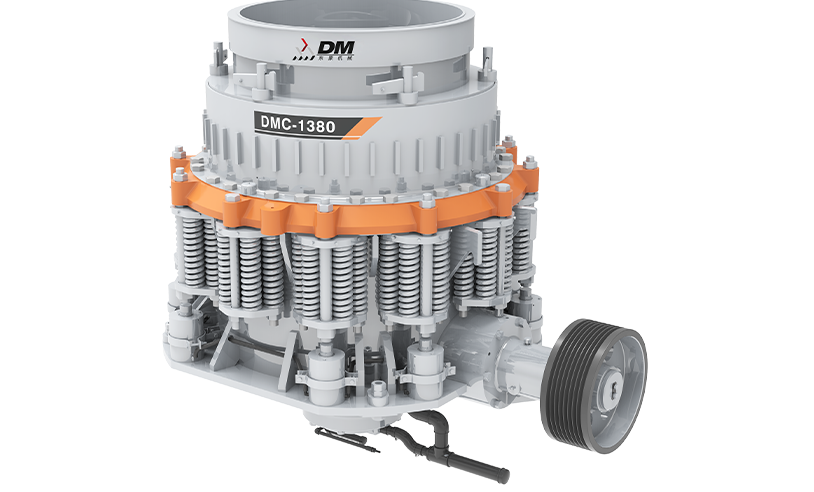
In many processing sites, crushing is not a single step. It is a chain of actions that shape raw material into something usable. Machines stand at different points along that chain. Each one plays a role, yet not all perform in the same way. Among them, cone crushers often sit in a middle or later stage. They are not always the most visible machines on site, but their influence is felt in the final result.

Understanding their advantages requires looking at how they behave in real working conditions. Not just how they are described, but how they respond to changing material, shifting loads, and everyday use.

What makes cone crushers different from other types?

A crusher works by compressing material between moving surfaces. The motion is steady. The space where material is crushed changes in a controlled way. This leads to a more continuous action rather than sudden impacts.

Other machines rely on striking or breaking material through forceful contact. That difference in approach shapes everything that follows.

With compression, the material is squeezed and broken along natural lines. With impact, it is shattered more abruptly. Neither method is universal. Each has a place. Still, the slower and more controlled movement of a crusher gives it a distinct character.

This difference is often noticed in the shape of the final product and the way the machine handles ongoing work.

How does material shape influence the choice of crusher?

Material shape is not always discussed at the beginning of a project, yet it becomes important later. In construction and processing, the form of crushed material can affect how it fits, compacts, or blends.

Cone crushers tend to produce particles that are more uniform. Edges are less sharp. Surfaces appear more consistent. This happens because the material is pressed rather than hit.

In comparison, machines that rely on impact can create more irregular shapes. Some pieces may be too flat or too elongated. These variations may not matter in every case, but in certain uses, they can affect the outcome.

A more consistent shape can make handling easier. It can also influence how materials settle or combine with others. This is one reason crushers are often used after an initial breaking stage.

Why is consistency in output important during crushing?

Consistency is not only about appearance. It affects how the rest of the process runs.

When output size varies too much, later steps need to adjust. Screens may need to work harder. Materials may need to be reprocessed. This adds time and effort.

Cone crushers are known for producing a more stable output. The controlled motion inside the machine helps keep the size range within a narrower band. This does not mean the output never changes. It means the variation is more predictable.

A steady output supports smoother operations. It reduces interruptions. It also helps operators plan the next steps with more confidence.

In contrast, machines that rely on sudden force can produce wider variation. This may require more sorting or additional passes through the system.

How do cone crushers handle continuous operation?

Many sites run for long periods without stopping. Machines must keep working even as conditions change. Material may become harder or softer. Feed size may shift. Load may increase or decrease.

Cone crushers are often chosen for their ability to maintain steady operation under these conditions. Their movement is not based on sharp impacts. Instead, it follows a continuous cycle. This reduces sudden stress on the machine.

Because of this, the machine can adapt more smoothly to changes. It does not react as sharply to fluctuations. This can lead to fewer interruptions during normal use.

Other crushers may respond more strongly to changes in feed. A sudden increase in material size or hardness can create stress. This may slow the process or require adjustments.

A machine that runs with fewer disruptions can support a more stable workflow.

What role does wear play in comparing crusher types?

Wear is part of any crushing process. Surfaces that break material will gradually change over time. The rate and pattern of this wear can differ between machines.

In a crusher, the pressure is spread over a larger area. The contact between surfaces and material is more continuous. This can lead to a more even pattern of wear.

Machines that rely on impact often face concentrated stress at certain points. Parts may wear unevenly. Some sections may need attention sooner than others.

Even wear can make maintenance planning easier. It allows for more predictable intervals between servicing. It also helps maintain consistent performance, since the working surfaces change gradually rather than suddenly.

This does not remove the need for maintenance. It changes how that maintenance is approached.

How does energy use compare across different crushers?

Energy use is often considered in terms of how much effort is needed to break material. The method of crushing plays a role here.

Cone crushers use a compressive action. Energy is applied in a steady way. Material is broken as it moves through the chamber. This can reduce sudden spikes in energy demand.

Impact-based machines may use bursts of force. These bursts can be effective, but they may also require higher input at certain moments.

The difference is not always obvious in daily operation. Over time, however, a smoother energy pattern can influence how the system performs as a whole.

It can also affect how other equipment in the line interacts with the crusher. A stable process often supports better coordination between machines.

Why are cone crushers often used in later crushing stages?

Crushing work is normally carried out step by step. Big rock chunks get broken down in the first round, while later crushing stages fine‑tune the material into smaller, more uniform pieces.

Cone crushers are almost always used after primary crushing equipment. By this point, raw stone has already been broken down to a smaller size. The main task is no longer just breaking large material, but shaping and refining particles.

Cone crushers operate in a steady, controlled way that fits this stage perfectly. They take pre‑crushed stone and process it to hit the target particle size and shape.

Other crushing machines work better for early‑stage jobs where huge lumps need fast breaking. Once that rough crushing is finished, the precise crushing method of a crusher becomes far more practical.

This step‑by‑step setup lets each piece of equipment do what it's designed for best.

How do cone crushers contribute to overall process efficiency?

Efficiency in crushing lines isn't only about how fast material gets processed. It also depends on how well every piece of equipment works together smoothly.

Cone crushers boost overall efficiency by delivering evenly sized output. This cuts down on repeated re‑crushing work, and keeps downstream machines running under steady, stable operating conditions.

Less variation in material means fewer unexpected stops, adjustments or restarts. A consistent feed of stone makes production scheduling and coordination much easier.

A crusher never works alone. It links directly with vibrating screens, conveyors and other crushing gear. Its performance ripples through the whole production line.

When one key machine runs reliably and predictably, the rest of the crushing process runs far more smoothly as a result.

What practical advantages do operators notice during daily use?

Operators often notice small details that do not appear in technical descriptions.

A machine that runs smoothly is easier to monitor. Fewer sudden changes mean fewer urgent adjustments. This can reduce stress during operation.

Cleaning and inspection may also feel more manageable when wear is even and predictable. There are fewer surprises during routine checks.

The sound and motion of the machine can also influence how it is perceived. A steady rhythm is often easier to follow than irregular impacts.

These practical aspects may not be listed in specifications, but they shape how the machine fits into daily work.

How do cone crushers fit into evolving industry needs?

Processing environments continue to change. Materials vary. Expectations shift. Systems become more connected.

Cone crushers fit into this landscape by offering a balance between control and output. Their steady operation aligns with systems that aim for continuous flow rather than stop-and-go movement.

As processes become more integrated, machines that provide stable and predictable performance gain importance. They help maintain the rhythm of the entire operation.

The advantages of crushers are not based on a single feature. They come from how the machine behaves over time, how it interacts with material, and how it supports the broader system in which it operates.

You may also like

Contact Us for Quotes and Prices!

Just let we know what you want, and we will get in touch with you as soon as possible!

Request A Quote