
 EN
EN  简体中文
简体中文 English
 Français
 Español
 عربي
عربي Русский
Machinery Weight 55-72t
Max Feeding size(mm) ≤700mm
Hopper Volume(m³) /



 REQUEST A QUOTE
Maintaining consistent production in a crushing plant is essential for meeting project deadlines, optimizing resource use, and reducing operational costs. A well-designed system from a reputable Crushing Plant Factory can provide reliable performance and reduce downtime.
Consistent Output: Stable operations ensure the plant meets the desired throughput.
Reduced Equipment Wear: Smooth, predictable operation reduces component stress.
Operational Safety: Stable systems reduce the risk of accidents caused by sudden equipment failures.
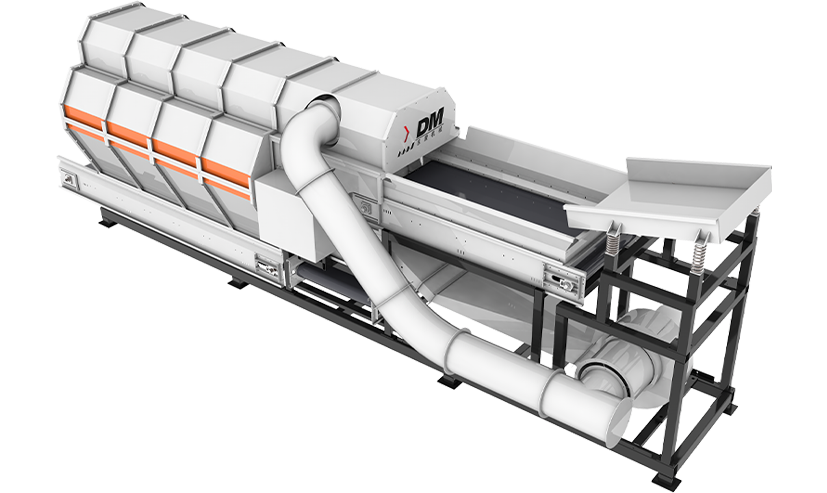
Choosing the right crushers, feeders, and screens is a step toward stable production.
Matching Crusher Capacity: Ensure that primary, secondary, and tertiary crushers are balanced with the feed and output requirements.
Feeder Compatibility: Vibrating feeders should match the crusher’s intake capacity to prevent overloading.
Screening Efficiency: Correctly sized screens maintain uniform material flow and prevent bottlenecks.
Managing material flow through the plant reduces disruptions and enhances efficiency.
Consistent Feed Rate: Avoid sudden surges or drops in material input to prevent crusher overloads.
Material Segregation: Ensure coarse and fine materials are evenly distributed for smoother crushing.
Controlled Stockpiles: Properly managed stockpiles can buffer material fluctuations and maintain steady feeding.
Regular inspection and maintenance of all components are crucial for operational stability.
Crusher Wear Components: Regularly check and replace liners, blow bars, and mantles.
Lubrication and Fluids: Keep bearings, motors, and gearboxes properly lubricated to avoid overheating.
Screen and Conveyor Upkeep: Inspect belts and screens for damage and adjust tension as needed.
Modern crushing plants increasingly rely on automation to improve stability and efficiency.
Sensors and Alarms: Detect overloads, blockages, or unusual vibrations early.
Variable Speed Drives: Adjust crusher and conveyor speeds to maintain consistent output.
Remote Monitoring: Allows operators to respond quickly to changing conditions without delays.
Skilled operators are key to maintaining smooth plant operation.
Proper Feeding Techniques: Avoid overloading or underfeeding crushers.
Recognizing Warning Signs: Early detection of abnormal noise or vibration can prevent major failures.
Optimizing Process Flow: Experienced operators can make adjustments to balance production and reduce downtime.
External conditions can affect the stability of a crushing plant if not properly managed.
Dust and Moisture Control: Excessive dust or wet materials can reduce crusher efficiency.
Terrain and Layout: Ensure stable foundations and proper layout to avoid equipment misalignment.
Temperature Management: Protect motors and hydraulic systems from extreme heat or cold.
Keeping essential spare parts on hand reduces downtime and stabilizes operations.
Critical Components: Stock blow bars, liners, belts, and bearings.
Inventory Planning: Maintain sufficient parts based on historical wear patterns.
Supplier Coordination: Work with reliable suppliers or a trusted Crushing Plant Factory to ensure fast replacements.
Continuous evaluation and adjustment improve long-term stability.
Performance Analysis: Track throughput, downtime, and wear rates.
Process Adjustments: Fine-tune crusher settings, conveyor speeds, and screen angles.
Preventive Strategies: Implement scheduled maintenance and operational checklists to avoid unexpected stoppages.
Enhancing the stability of a crushing plant requires a combination of proper equipment selection, optimized material handling, proactive maintenance, skilled operation, and modern automation. By addressing these factors, plants can achieve consistent output, reduce wear and downtime, and ensure long-term operational efficiency. Partnering with an experienced Crushing Plant Factory can further improve system design and support reliable production.
Machinery Weight 53-62t
Max Feeding size(mm) ≤600mm
Hopper Volume(m³) 80-360t/h
Machinery Weight 55-57t
Max Feeding size(mm) ≤215mm
Hopper Volume(m³) /
Machinery Weight 33-35t
Max Feeding size(mm) 150-400t/h
Hopper Volume(m³) 2.5
Machinery Weight 33t
Max Feeding size(mm) 150-400t/h
Hopper Volume(m³) 7m³
Machinery Weight 54-63t
Max Feeding size(mm) ≤600mm
Hopper Volume(m³) /
Machinery Weight 9.5-75t
Max Feeding size(mm) ≤1000mm
Hopper Volume(m³) 61-1204t/h
Just let we know what you want, and we will get in touch with you as soon as possible!

A high-tech enterprise integrating R&D, production, sales and service of crawler and stationary crushing and screening.
Scan the Mobile QR code
 Tel: +86 21-6891 1957
 Fax: +86 21-3756 6069
 E-mail: sales@dmcrushers.com
 Add: No. 1188,Fengliang Road, Fengcheng Town, Fengxian District, Shanghai, China