
 EN
EN  简体中文
简体中文 English
 Français
 Español
 عربي
عربي Русский
Machinery Weight 55-72t
Max Feeding size(mm) ≤700mm
Hopper Volume(m³) /



 REQUEST A QUOTE
The efficiency of a jaw crusher is heavily influenced by the characteristics and handling of feed materials. A reputable Jaw Crusher Factory often emphasizes feed preparation as the first step toward improved crushing performance.
1. Consistent Feed Size
Feeding materials of uniform size prevents sudden overloads in the crushing chamber. Irregular or oversized rocks can cause uneven wear on jaw plates and reduce overall efficiency.
2. Controlled Feeding Rate
Overfeeding can lead to blockages and reduce crushing capacity, while underfeeding results in underutilized equipment. Maintaining a steady feed rate allows the crusher to operate at a good throughput.
3. Pre-Screening Raw Materials
Removing fines and smaller fragments before they enter the jaw crusher reduces unnecessary wear and ensures the machine focuses on larger, more energy-intensive stones. This also improves the uniformity of the final output.
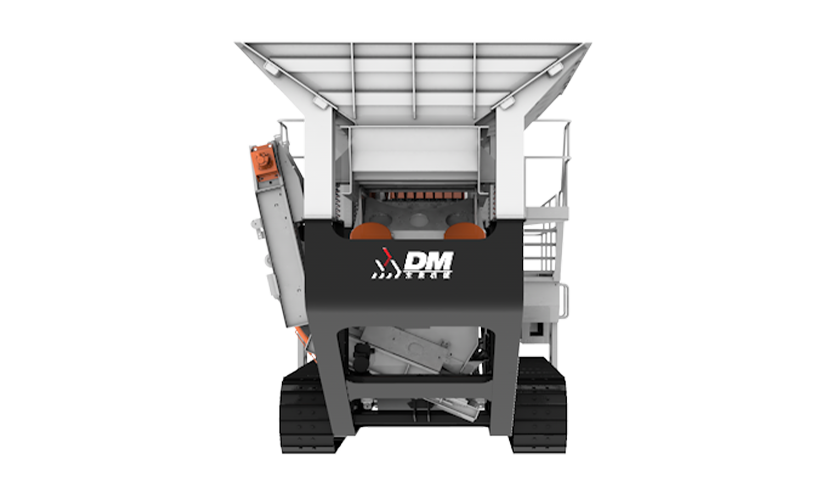
Adjusting jaw crusher parameters is critical for achieving crushing efficiency and the desired product size.
1. Closed-Side Setting (CSS) Adjustment
The CSS determines the gap between the movable and fixed jaw. Proper adjustment allows for precise output size while improving crushing capacity. A smaller CSS yields finer products but may reduce throughput if not balanced properly.
2. Jaw Plate Angle and Maintenance
The angle of the jaw plates affects material flow and crushing force. Monitoring wear and replacing plates promptly ensures stable crushing efficiency and reduces energy loss.
3. Toggle Plate and Spring Tension
Correct toggle plate and spring settings optimize the distribution of crushing force, prevent mechanical strain, and enhance overall operational stability.
Jaw crusher efficiency is directly linked to the condition of its components and the way it is operated.
1. Regular Lubrication
Proper lubrication of bearings and moving parts reduces friction, reduces heat generation, and ensures smoother operation, prolonging machine life.
2. Vibration Control and Foundation Stability
Proper installation and secure foundations reduce vibration and shock, improving material flow and reducing energy waste.
3. Routine Inspection and Maintenance
Periodic checks of key components, including bearings, shafts, and jaw plates, prevent unexpected failures and maintain good efficiency.
Efficient power usage allows a jaw crusher to deliver high output without unnecessary energy consumption.
1. Match Motor Power to Crushing Capacity
Selecting a motor suitable for the crusher’s design ensures adequate crushing force without overloading, enhancing both efficiency and equipment lifespan.
2. Energy-Efficient Crushing Design
Modern designs from a Jaw Crusher Factory optimize the motion path and crushing chamber shape, reducing energy losses during operation.
3. Load Monitoring and Adjustment
Using real-time monitoring systems, operators can adjust feeding rates or crusher settings to maintain suitable energy consumption while avoiding overload.
Jaw crushers often operate as part of larger production lines. Efficient integration ensures smooth material handling and reduces bottlenecks.
1. Coordination with Screening and Conveying Equipment
Proper integration with vibrating screens, conveyors, and secondary crushers prevents blockages and maintains steady throughput.
2. Closed-Circuit Crushing Operation
Recycling oversized material for re-crushing improves output uniformity and reduces the risk of overloading the primary crusher.
3. Skilled Operator Training
Operators trained to adjust parameters, monitor feed rates, and respond to system changes ensure consistent high performance and reduce downtime.
Improving jaw crusher efficiency requires a combination of proper feed preparation, optimized equipment settings, diligent mechanical maintenance, energy management, and effective system integration. By following these strategies and leveraging quality equipment from a reliable Jaw Crusher Factory, operators can improve crushing output, enhance product uniformity, and extend the operational life of the machinery while reducing energy consumption and wear.
Machinery Weight 53-62t
Max Feeding size(mm) ≤600mm
Hopper Volume(m³) 80-360t/h
Machinery Weight 55-57t
Max Feeding size(mm) ≤215mm
Hopper Volume(m³) /
Machinery Weight 33-35t
Max Feeding size(mm) 150-400t/h
Hopper Volume(m³) 2.5
Machinery Weight 33t
Max Feeding size(mm) 150-400t/h
Hopper Volume(m³) 7m³
Machinery Weight 54-63t
Max Feeding size(mm) ≤600mm
Hopper Volume(m³) /
Machinery Weight 9.5-75t
Max Feeding size(mm) ≤1000mm
Hopper Volume(m³) 61-1204t/h
Just let we know what you want, and we will get in touch with you as soon as possible!

A high-tech enterprise integrating R&D, production, sales and service of crawler and stationary crushing and screening.
Scan the Mobile QR code
 Tel: +86 21-6891 1957
 Fax: +86 21-3756 6069
 E-mail: sales@dmcrushers.com
 Add: No. 1188,Fengliang Road, Fengcheng Town, Fengxian District, Shanghai, China