
 EN
EN  简体中文
简体中文 English
 Français
 Español
 عربي
عربي Русский
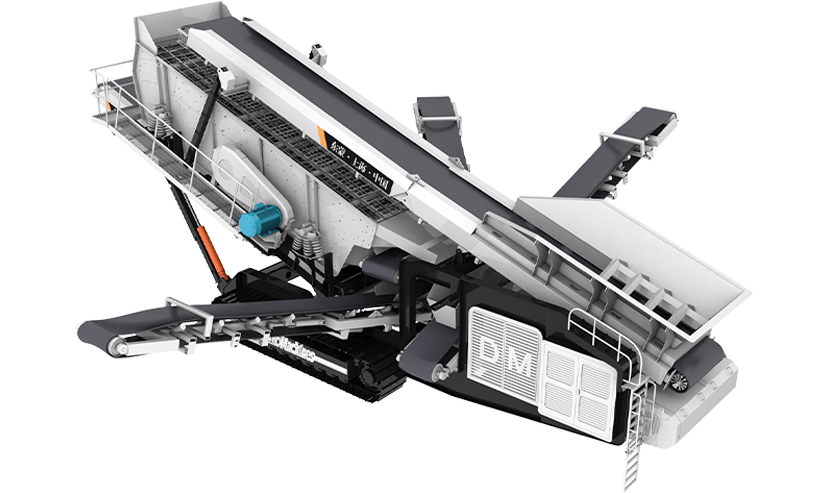
Machinery Weight 55-72t
Max Feeding size(mm) ≤700mm
Hopper Volume(m³) /



 REQUEST A QUOTE
A complete system supplied by a professional Crushing Plant Factory is designed to integrate feeding, crushing, screening, and conveying into a unified workflow. This integration brings significant operational benefits for aggregate and mining projects.
1. High Production Capacity
Crushing plants can process large volumes of raw materials continuously. This makes them suitable for highways, railways, mining, and large infrastructure developments where a consistent aggregate supply is critical.
2. Continuous and Stable Operation
Automated control systems help maintain steady feeding rates and balanced load distribution across crushers and screens. Stable operation reduces downtime and enhances productivity.
3. Consistent Product Quality
Multi-stage crushing combined with efficient screening improves particle size uniformity. Proper system design from a Crushing Plant Factory ensures aggregates meet strict construction standards.
Crushing plants are valued for their ability to adapt to different project needs and site conditions.
1. Adjustable Discharge Size
Operators can modify the closed-side setting and screen mesh size to produce various aggregate grades. This flexibility supports multiple applications, such as concrete production or road base materials.
2. Stationary and Mobile Configurations
Stationary plants are ideal for long-term quarry operations, while mobile plants offer relocation convenience for short-term or remote projects. Mobile systems reduce raw material transportation costs.
3. Expandable System Design
A crushing plant can be upgraded by adding secondary or tertiary crushers. This scalability allows businesses to increase capacity as demand grows without replacing the entire system.
Although capital investment is required, crushing plants can deliver substantial financial benefits over time.
1. Lower Labor Costs
Automation reduces reliance on manual labor. Centralized control systems allow fewer operators to manage the entire production line efficiently.
2. Improved Resource Utilization
Closed-circuit systems return oversized materials for re-crushing, reducing waste and increasing overall yield.
3. Energy Efficiency Improvements
Modern equipment focuses on optimized crushing chambers and efficient motor systems, reducing energy consumption per ton of output.
Despite these advantages, crushing plants also present several disadvantages that must be carefully considered.
1. High Initial Investment
The cost of purchasing crushers, screens, conveyors, and auxiliary systems is substantial. Additional expenses include site preparation, foundations, and electrical installation.
2. Maintenance and Wear Issues
Continuous crushing causes wear of liners, hammers, and bearings. Regular inspection and timely replacement of wear parts are essential to prevent performance decline.
3. Operational Downtime Risks
If one component fails, the entire system may need to stop. This dependency increases the importance of preventive maintenance and spare parts availability.
Environmental compliance and site conditions can influence plant performance and long-term sustainability.
1. Dust and Noise Generation
Crushing operations produce dust and noise, requiring dust suppression systems and sound insulation measures to meet environmental regulations.
2. Land and Infrastructure Requirements
Stationary plants require adequate space for installation, material storage, and transportation access, which may limit location options.
3. Energy Supply Dependence
A stable electricity supply is crucial. Power fluctuations can affect equipment efficiency and product quality.
Crushing plants provide high efficiency, flexible configuration, and strong long-term economic value. Their ability to produce consistent aggregates in large quantities makes them essential in the construction and mining industries. However, high initial investment, ongoing maintenance requirements, and environmental considerations must be carefully managed. With proper planning, skilled operation, and support from a reliable Crushing Plant Factory, businesses can improve their benefits while reducing potential drawbacks.
Machinery Weight 53-62t
Max Feeding size(mm) ≤600mm
Hopper Volume(m³) 80-360t/h
Machinery Weight 55-57t
Max Feeding size(mm) ≤215mm
Hopper Volume(m³) /
Machinery Weight 33-35t
Max Feeding size(mm) 150-400t/h
Hopper Volume(m³) 2.5
Machinery Weight 33t
Max Feeding size(mm) 150-400t/h
Hopper Volume(m³) 7m³
Machinery Weight 54-63t
Max Feeding size(mm) ≤600mm
Hopper Volume(m³) /
Machinery Weight 9.5-75t
Max Feeding size(mm) ≤1000mm
Hopper Volume(m³) 61-1204t/h
Just let we know what you want, and we will get in touch with you as soon as possible!

A high-tech enterprise integrating R&D, production, sales and service of crawler and stationary crushing and screening.
Scan the Mobile QR code
 Tel: +86 21-6891 1957
 Fax: +86 21-3756 6069
 E-mail: sales@dmcrushers.com
 Add: No. 1188,Fengliang Road, Fengcheng Town, Fengxian District, Shanghai, China