
 EN
EN  简体中文
简体中文 English
 Français
 Español
 عربي
عربي Русский
Machinery Weight 55-72t
Max Feeding size(mm) ≤700mm
Hopper Volume(m³) /



 REQUEST A QUOTE
1. Rapid urbanization and large-scale demolition projects have significantly increased construction waste globally.
2. Improper disposal of debris causes environmental pollution, landfills filling up, and wasted natural resources.
3. The Stone Crushing Machine Factory plays a crucial role in producing equipment capable of transforming construction waste into reusable aggregates.
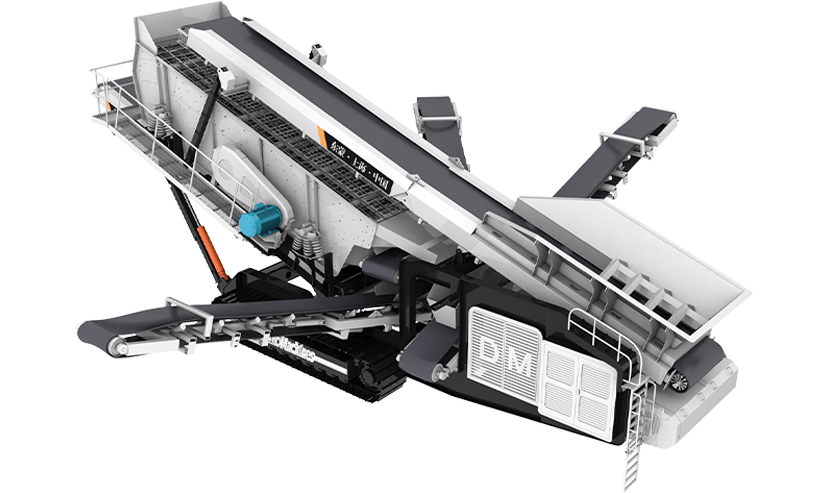
1. Types of Machines – Common varieties include jaw crushers, impact crushers, cone crushers, and mobile crushing units.
2. Functionality – These machines reduce large concrete blocks, bricks, asphalt, and stones into smaller, manageable aggregates.
3. Adaptability – Factories design machines to handle varying material hardness, moisture content, and particle sizes.
Resource Recovery – Crushed debris can replace natural aggregates in construction, reducing demand for quarrying.
Environmental Protection – Recycling debris decreases landfill use and lowers greenhouse gas emissions associated with waste transport.
Economic Efficiency – On-site crushing reduces transportation costs and provides affordable raw materials for new projects.
Operational Flexibility – Mobile crushers allow demolition sites to process debris directly, streamlining workflow and cutting downtime.
Automation and Smart Controls – Modern crushing machines include automated systems that optimize crushing parameters, reducing human error and improving efficiency.
Energy Efficiency – Innovations in machine design reduce power consumption while maintaining high throughput.
Customized Solutions – Stone Crushing Machine Factory designs tailored machines for handling mixed construction waste, including reinforced concrete and composite materials.
Urban Demolition Projects – Machines process debris from buildings and roads, converting it into aggregates suitable for sidewalks, foundations, and backfilling.
Industrial Construction Sites – Factories and large commercial sites benefit from stationary crushers integrated with conveyor and sorting systems.
Small-Scale Renovations – Mobile and compact machines allow contractors to recycle materials on-site efficiently.
Material Complexity – Construction waste is often heterogeneous, including metals, plastics, and wood that require pre-sorting.
Maintenance Requirements – Continuous operation under abrasive conditions can cause wear, demanding regular maintenance and spare parts replacement.
Regulatory Compliance – Adhering to local environmental and recycling regulations requires investing in efficient, certified machinery.
Rising Urbanization – Developing nations are increasingly adopting construction waste recycling to support sustainable urban growth.
Government Incentives – Policies encouraging green construction and waste reduction are driving demand for crushing equipment.
Integration with Circular Economy – Recycled aggregates are gaining recognition as high-quality, sustainable materials, creating a stable market for processed debris.
Technological Collaborations – Equipment manufacturers and construction companies are working together to develop machines tailored to specific waste types and volumes.
1. The demand for efficient construction waste processing will continue to grow with urban expansion and stricter environmental regulations.
2. Continuous innovation in crushing technology, such as AI-assisted sorting, remote monitoring, and improved mobility, will enhance efficiency.
3. Stone Crushing Machine Factory equipment will remain critical for turning waste into valuable materials, promoting sustainability and cost reduction across construction projects.
4. Stone crushing machines have emerged as essential tools in sustainable construction waste management.
5. They offer multiple benefits: reducing environmental impact, lowering costs, and recovering resources for reuse.
6. With ongoing technological improvements and increasing regulatory support, the application of these machines in construction waste recycling has a promising and expanding future.
Machinery Weight 53-62t
Max Feeding size(mm) ≤600mm
Hopper Volume(m³) 80-360t/h
Machinery Weight 55-57t
Max Feeding size(mm) ≤215mm
Hopper Volume(m³) /
Machinery Weight 33-35t
Max Feeding size(mm) 150-400t/h
Hopper Volume(m³) 2.5
Machinery Weight 33t
Max Feeding size(mm) 150-400t/h
Hopper Volume(m³) 7m³
Machinery Weight 54-63t
Max Feeding size(mm) ≤600mm
Hopper Volume(m³) /
Machinery Weight 9.5-75t
Max Feeding size(mm) ≤1000mm
Hopper Volume(m³) 61-1204t/h
Just let we know what you want, and we will get in touch with you as soon as possible!

A high-tech enterprise integrating R&D, production, sales and service of crawler and stationary crushing and screening.
Scan the Mobile QR code
 Tel: +86 21-6891 1957
 Fax: +86 21-3756 6069
 E-mail: sales@dmcrushers.com
 Add: No. 1188,Fengliang Road, Fengcheng Town, Fengxian District, Shanghai, China